
A great backyard is not just something you look at through the window. It should give you a reason to step outside, sit down, gather with people you care about, and actually use the space you already own. That is where hardscape features like patios, fire pits, walkways, seating walls, and outdoor kitchens make such a big difference.
For homeowners in Northeast Ohio, hardscaping is especially valuable because it adds structure and function to landscapes that have to handle heavy rain, clay soil, hot summers, and freeze-thaw winter conditions. A well-built patio or fire pit area can turn a soft, underused patch of lawn into an outdoor living space that works for family dinners, weekend entertaining, quiet mornings, and cool fall nights.
If you are considering a backyard upgrade, here are the biggest benefits of adding hardscape features to your property.
Hardscape Creates More Usable Outdoor Living Space
Grass is beautiful, but it is not always practical. A lawn can be wet, uneven, muddy after rain, or uncomfortable for furniture. A patio gives your yard a stable, level surface for everyday living. It creates a defined place for:
- Outdoor dining
- Grilling and food prep
- Lounge furniture
- Fire pit seating
- Container gardens
- Family gatherings
- Small parties and holiday weekends
Instead of setting furniture directly on the lawn or dragging chairs into the driveway, a patio gives your backyard a true outdoor room. It also helps organize the rest of the landscape. Once the patio is in place, walkways, planting beds, lighting, and lawn areas can be designed around it.
That structure is one reason professional residential hardscape construction is so effective. Patios, seating areas, retaining walls, drainage solutions, fire pits, fireplaces, outdoor kitchens, and low-voltage lighting can all work together as one complete space instead of separate add-ons.
Patios Extend the Way You Use Your Home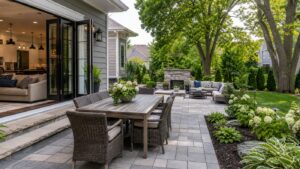
A well-designed patio feels like an extension of the house. It gives you more room to relax and entertain without building an addition, finishing a basement, or remodeling a kitchen. For many homeowners, that extra living space is one of the most practical benefits of hardscaping.
A patio can be designed for the way you actually live. A small family may want a simple dining area and grill station. A larger household may need multiple zones: one for meals, one for conversation, and one for a fire pit. A homeowner who loves hosting may want built-in seating walls, lighting, and a path that connects the patio to the driveway or side yard.
The best patios do not feel dropped into the yard. They match the scale of the home, connect naturally to doors and walkways, and leave room for plants, lawn, and drainage. That is where landscape design and installation matters. The patio should be planned as part of the full property, not as a square of pavers with furniture on top.
Fire Pits Make the Backyard Useful Longer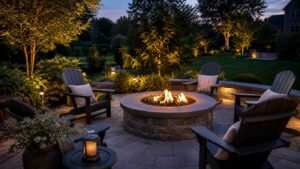
In Northeast Ohio, outdoor season does not have to end when the evenings get cool. A fire pit adds warmth, light, and a natural gathering point that helps you use your backyard deeper into spring and fall.
Fire pits are popular because they make outdoor spaces feel inviting without needing a large footprint. They work well with paver patios, gravel areas, seating walls, and low-voltage lighting. A fire feature can become the center of the space or sit just off the main patio as a separate conversation area.
Fire pits also create a flexible type of entertainment. You do not need a formal dinner setup to enjoy one. A few chairs, a safe layout, and a clean design can make the backyard feel comfortable on a weeknight, not just when guests come over.
For families, fire pits can support simple traditions: s’mores, fall evenings, casual birthday gatherings, or a place to unwind after yard work. For homeowners who entertain, they add the kind of atmosphere that makes people naturally stay outside longer.
Hardscape Features Can Improve Property Value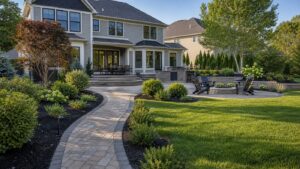
Outdoor living has become a major priority for homeowners. Buyers do not just look for a yard; they look for a yard that already has a purpose. A clean patio, defined entertaining area, and professionally installed fire pit can help a property feel more finished and more valuable.
The return is not only about resale. Hardscape also adds day-to-day value because it gives you more ways to enjoy the property while you live there. A patio used several nights a week has a different kind of value than a lawn that only gets mowed.
Quality matters, though. A patio that shifts, sinks, or drains toward the house can become a problem instead of a selling point. A fire pit placed too close to structures or traffic paths can feel awkward or unsafe. Professional design helps protect the investment by making sure the layout, materials, base preparation, drainage, and details are built for long-term use.
For inspiration, homeowners can browse BruZiv’s Northeast Ohio landscaping portfolio to see how hardscape features fit into real outdoor spaces.
Hardscape Reduces Maintenance in High-Use Areas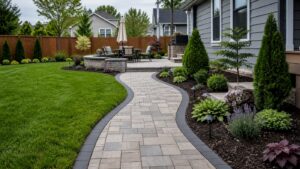
Every yard has traffic patterns. People walk from the driveway to the gate, from the back door to the grill, and from the patio to the lawn. When those paths are only grass, they often turn thin, muddy, or compacted.
Hardscape solves that by putting durable surfaces where people already move and gather. A paver walkway can replace a worn footpath. A patio can eliminate the patch of lawn that never grows under the table. A seating wall can define an edge that used to need constant trimming.
Hardscape is not maintenance-free, but it is typically lower maintenance than turf or planting beds in heavily used areas. Pavers may need occasional cleaning, joint sand, or sealing depending on the material, but they do not need mowing, watering, edging, or seasonal replacement.
That balance is especially useful when hardscape is paired with the right softscape. Fresh beds, shrubs, perennials, mulch, and lawn still bring life to the design. The hardscape simply carries the traffic and structure so the living parts of the landscape can thrive.
Patios and Fire Pits Create Better Entertainment Flow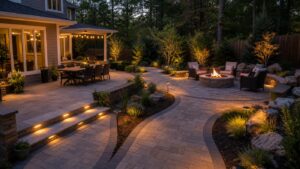
Good outdoor entertaining depends on flow. Guests need an obvious place to sit, walk, gather, and move between the house, yard, and driveway. Without that structure, even a large backyard can feel awkward.
Hardscape helps guide the experience. A patio near the back door can handle dining. A fire pit area can sit a few steps away to create a second destination. Walkways can connect the spaces. Lighting can make the layout safer and more comfortable after dark.
Built-in features also reduce clutter. Seating walls can provide extra places to sit without filling the patio with furniture. Pillars can frame entrances. Retaining walls can turn slopes into usable terraces. Outdoor kitchens and grill stations can keep food prep organized.
If you are looking for current ideas, BruZiv’s guide to hardscape design trends covers popular upgrades such as multi-functional outdoor spaces, fire features, integrated lighting, permeable pavers, oversized pavers, and natural stone accents.
Hardscape Helps Manage Slopes, Drainage, and Erosion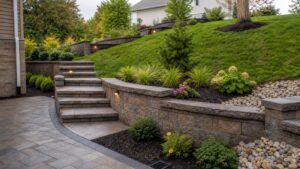
Hardscape is not only about appearance. In many Northeast Ohio yards, it also solves practical site problems.
Patios need proper grading so water moves away from the home. Retaining walls can stabilize slopes and create flat usable areas. Walkways can prevent erosion on commonly used routes. Permeable pavers can help reduce runoff in certain applications. Drainage solutions can be built into the project instead of treated as an afterthought.
This is important because Ohio weather is tough on outdoor surfaces. Spring rains, winter freeze-thaw cycles, and compacted clay soil can all create movement and drainage issues. A beautiful patio that is built on the wrong base or pitched the wrong direction will not stay beautiful for long.
That is why hardscape projects should begin with a careful look at the property: where water collects, where soil washes out, where slopes create unusable space, and where existing patios or walkways have settled. The best design starts below the surface.
Hardscape Gives the Landscape a Finished Look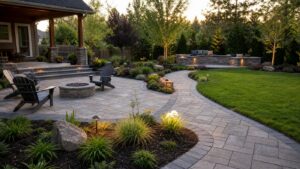
Plants soften a yard. Hardscape gives it shape. Together, they create the finished look most homeowners actually want.
A patio can anchor the backyard. A walkway can lead the eye through the space. A seating wall can define the edge of an entertainment area. A fire pit can create a focal point. Low-voltage lighting can highlight the whole design after sunset.
Without hardscape, landscaping can feel temporary or scattered. With hardscape, the yard has structure. The lawn, trees, shrubs, flowers, and mulch beds all have a clearer relationship to one another.
This is one reason custom hardscaping is often the foundation of a larger landscape upgrade. BruZiv’s article on custom hardscape landscaping design explains how patios, walkways, retaining walls, seating walls, fire pits, outdoor kitchens, lighting, irrigation, driveways, and steps can work together to create a more complete outdoor environment.
Popular Hardscape Features to Consider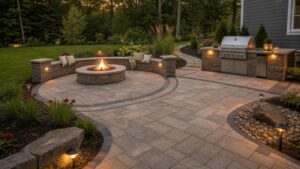
If you are planning a backyard upgrade, these are some of the most useful hardscape features to consider:
Paver patios. Great for dining, entertaining, grilling, and lounge furniture. Pavers come in many colors, textures, and patterns, making them flexible for both traditional and modern homes.
Fire pits and fireplaces. Ideal for evening use, fall gatherings, and creating a natural focal point. Fire pits work well as part of a patio or as a nearby destination space.
Seating walls. Useful for defining patio edges, adding overflow seating, and making the space feel built-in rather than temporary.
Walkways. Helpful for connecting the driveway, side yard, patio, garden, shed, and other outdoor areas while reducing lawn wear.
Retaining walls. Important for sloped yards, erosion control, terracing, and creating flat areas where furniture and patios can actually work.
Outdoor kitchens and grill stations. A strong option for homeowners who cook outside often and want a more organized entertaining space.
Low-voltage outdoor lighting. Adds safety, visibility, ambiance, and extended nighttime use around patios, walkways, steps, and fire features.
You do not need every feature at once. In many cases, the best approach is to start with the patio and overall layout, then plan future upgrades so each phase fits the larger design.
What to Think About Before Adding a Patio or Fire Pit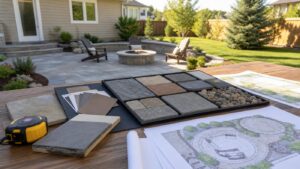
Before choosing materials or shapes, think through how the space will be used.
Start with size. A patio should be large enough for furniture, walking room, and the activities you care about most. A dining table needs more space than many homeowners expect once chairs are pulled out. A fire pit needs safe clearance and comfortable seating distance.
Next, think about location. The best spot may be near the back door, but not always. Sun exposure, privacy, wind, slopes, drainage, and views all matter. A fire pit may work better slightly away from the house, while a dining patio usually benefits from easier kitchen access.
Then consider materials. Pavers, natural stone, concrete, and wall block all have different looks, costs, maintenance needs, and performance characteristics. The right choice depends on the architecture of the home, the style of the landscape, and how the space will be used.
Finally, plan for the full yard. A patio without lighting may go unused after sunset. A fire pit without enough seating space may feel cramped. A walkway that stops short of the gate may leave a muddy shortcut. These details are easier to solve during design than after installation.
Is a Hardscape Project Worth It?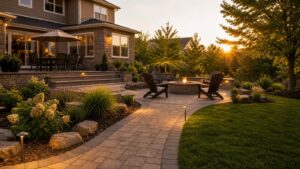
For many homeowners, yes. Hardscape features are worth it when they make the yard more usable, solve real site problems, and are built with materials and construction methods that can handle local conditions.
A patio gives you a dependable outdoor surface. A fire pit makes the space warmer and more inviting. Walkways improve access. Seating walls and retaining walls add definition. Lighting extends the experience into the evening. Together, these features can turn a backyard from something you maintain into something you enjoy.
The key is thoughtful planning. The best hardscape projects do not begin with a product; they begin with a purpose. How do you want to use the yard? Where do people naturally walk? Where does water go? What views do you want to highlight or screen? What will make the space easier to enjoy five years from now?
Answer those questions first, and the right patio, fire pit, walkway, or wall becomes much easier to design.
Ready to add a patio, fire pit, or custom hardscape feature to your Northeast Ohio property? Contact BruZiv Landscaping to schedule a consultation. You can also learn more about residential hardscape construction, explore landscape design and installation, or view recent work in the project portfolio.
FAQ
What are the biggest benefits of adding hardscape features?
Hardscape features add usable outdoor living space, improve curb appeal, reduce maintenance in high-traffic areas, support better drainage, and can increase the long-term value of your property.
Is a patio a good investment for a Northeast Ohio home?
Yes, when it is properly designed and installed. A patio creates functional outdoor living space and can handle everyday use better than lawn in dining, grilling, and seating areas.
Are fire pits worth adding to a backyard?
Fire pits are worth considering if you want a natural gathering place and a way to enjoy the yard during cooler evenings. They work especially well when designed with safe spacing, comfortable seating, and nearby lighting.
What is the difference between hardscape and softscape?
Hardscape includes non-living landscape features such as patios, walkways, retaining walls, seating walls, fire pits, and outdoor kitchens. Softscape includes living elements such as grass, trees, shrubs, flowers, and mulch beds.
Should I install a patio before landscaping?
In most full-yard projects, yes. Patios, walkways, walls, drainage, and major grading should usually come before final plantings, sod, and mulch so the softscape is not damaged during construction.