
If you have a sloped yard, you probably know the struggle. Water runs downhill, soil slowly washes away, and mowing that hill becomes a workout. Luckily, retaining wall landscaping can turn a difficult area into a functional and attractive part of your property.
Retaining walls do more than look good. When properly designed and installed, they can help control erosion, manage changes in elevation, and create more usable outdoor space.
When Does Your Yard Need a Retaining Wall?
Not every sloped yard needs a retaining wall, but there are a few signs that you may want to consider one.
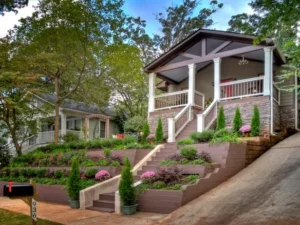
You’re losing soil. If soil is collecting at the bottom of a hill or your landscape beds seem to be getting smaller, erosion could be the culprit.
Water is washing down your slope. Heavy rain can carry soil, mulch, and other landscaping materials downhill. A properly designed retaining wall can help manage these issues as part of a larger drainage plan.
Your slope is difficult to maintain. Retaining walls can break up a steep slope into more manageable areas, making landscaping and maintenance much easier.
You want more usable space. A retaining wall can help transform a sloped section of your yard into a level area for a patio, garden, seating area, fire pit, or lawn.
What Types of Retaining Walls Are Available?
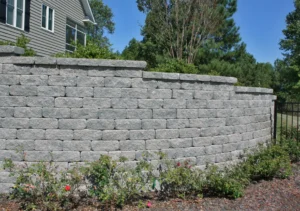
The best wall for your property depends on the slope, soil conditions, drainage, height, budget, and overall look you’re going for.
Some common options include:
Versa-Lok retaining walls – A popular segmental wall system available in a variety of styles and finishes.
Natural stone retaining walls – A great option for a more natural, timeless appearance.
Cement retaining walls – Durable and versatile for certain landscape applications.
Gabion retaining walls – Made using stone-filled wire baskets, creating a unique look while providing structural support.
There are also inexpensive retaining walls and more custom options, depending on the needs of your property. A professional can help determine what makes the most sense for your project.
How Much Does a Retaining Wall Cost?
One of the first questions homeowners ask is about retaining wall cost or retaining wall installation cost. The answer depends on several factors, including the size and height of the wall, materials, site conditions, excavation, drainage requirements, and accessibility.
Because every property is different, it’s difficult to give an accurate price without seeing the site. A professional evaluation can give you a much better idea of what your project will require.
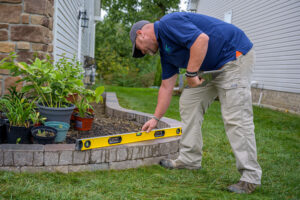
Why Professional Installation Matters
A retaining wall isn’t simply a matter of stacking blocks or stone. Proper excavation, a stable base, drainage, and installation techniques are all important to creating a wall that lasts.
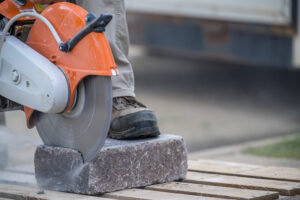
If you’re considering a retaining wall, choose a contractor or company who looks beyond the wall itself. The slope of your property, drainage, soil conditions, and surrounding landscape all play a role in designing a wall that looks good and holds up over time.
Proper planning can help prevent problems like shifting, leaning, drainage issues, and premature failure.
Build a Yard You Can Actually Use
A retaining wall can help control erosion, improve drainage, create usable outdoor space, and give your landscape a finished appearance. At BruZiv Landscaping, we design and install retaining walls based on your property’s needs and how you want to use your outdoor space.
If you’ve been searching for a retaining wall contractor, retaining wall installation, or simply wondering what a retaining wall could do for your property, we’re happy to take a look. Have a slope that’s giving you trouble? Let’s turn it into something you can actually enjoy.