We’ve all been there. You step into your yard after a rainstorm and suddenly you’re ankle-deep in mud. Maybe there’s a puddle that seems to stick around for days, or you’ve noticed mulch washing into the lawn after every heavy rain. While these issues might seem like minor inconveniences, they could be signs of a larger landscape drainage problem.
The good news? Most yard drainage issues can be corrected before they turn into costly repairs.
Why Drainage Matters
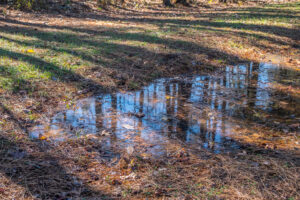
Water is essential for a healthy landscape, but only when it goes where it’s supposed to.
When excess water has nowhere to drain, it can cause a variety of problems, including:
• Standing water that attracts mosquitoes
• Soggy lawns that make it difficult for grass to grow
• Soil erosion that washes away landscaping
• Mulch and decorative stone ending up where they shouldn’t
• Damage to plant roots from oversaturated soil
• Water collecting near your home’s foundation
Over time, poor outdoor drainage doesn’t just affect your yard, it can impact your property’s overall health and value.
Common Signs You May Have a Drainage Problem
Not sure if your property has a drainage issue? Here are a few things to watch for:
• Water remains in your yard more than 24 hours after it rains.
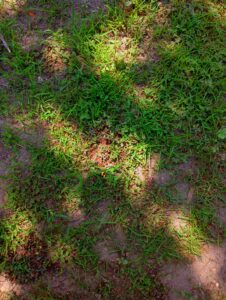
• Bare patches of grass never seem to recover.
• Mulch constantly washes out of landscape beds.
• Water pools near your foundation or driveway.
• You notice erosion on slopes or around garden beds.
• Certain areas of your yard always feel muddy.
If any of these sound familiar, your landscape may be trying to tell you something.
Every Yard Is Different
There’s no one-size-fits-all solution when it comes to yard drainage solutions.
Depending on your property, the best drainage system for your backyard may include:
• French drains
• Catch basins
• Downspout extensions
• Lawn regrading
• Dry creek beds
• Swales and other water-management features
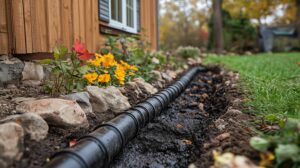
The right drainage yard system depends on your property’s slope, soil type, and how water naturally moves across your yard. That’s why it’s important to identify the source of the problem before jumping into a fix.
When Is Lawn Regrading Necessary?
Sometimes the issue isn’t your drainage system, it’s the slope of your yard. Lawn grading and drainage often go hand in hand. If your property slopes toward your home instead of away from it, lawn grading services or lawn regrading can help redirect water before it causes damage.
Many homeowners ask about lawn grading cost, lawn regrading cost, or regrading yard cost, but every property is different. Factors like yard size, grading requirements, and existing drainage all play a role in determining the cost.
Don’t Wait Until It Gets Worse
One of the biggest mistakes homeowners make is assuming the problem will solve itself.
Unfortunately, drainage issues tend to get worse over time. What starts as a small puddle can eventually lead to washed-out landscaping, damaged turf, erosion, or even costly repairs around your home’s foundation.
Addressing drainage early is almost always easier, and less expensive, than waiting until the damage spreads.
Let Your Yard Work With Nature
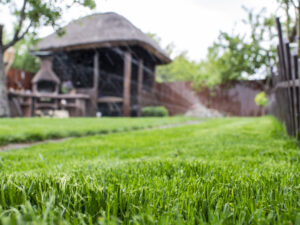
A properly designed drainage system doesn’t just move water away from problem areas, it helps your entire landscape thrive. Healthy grass, happier plants, cleaner landscape beds, and a yard that’s actually enjoyable after a rainstorm are all signs that your property is working the way it should.
If you’ve noticed standing water, muddy areas, or erosion around your property, BruZiv Landscaping can evaluate your landscape, identify the cause of the problem, and recommend the right solution. Whether you need a French drain, lawn grading services, or a complete yard drainage solution, our team has the experience to help protect your property for years to come.
Because the only thing your yard should be collecting after a rainstorm is compliments.